
Air freight costs several times more per kilogram, which makes ocean look like the obvious answer. Once you price the capital tied up in a five-week transit, the answer stops being obvious.
The mode decision usually gets made on rate per kilogram, and that is the wrong number to decide it on. The right number is total landed cost including the money your inventory ties up while it is in transit.
The headline comparison
| Air freight | Ocean freight | |
|---|---|---|
| Transit (Asia → India) | 1–5 days | 15–40 days |
| Cost per kg | High | Low |
| Chargeable weight basis | 1:6 volumetric ratio | 1:1000 (per CBM) |
| Best suited to | Dense, high-value, urgent | Bulky, low-value, planned |
| Schedule reliability | High | Moderate |
How chargeable weight actually works
This is the mechanic that decides your bill, and it differs sharply between modes.
Air freight charges the greater of actual weight or volumetric weight, calculated as length × width × height in cm ÷ 6000. A consignment of pillows will be charged on volume; a consignment of bearings on actual weight.
Ocean FCL charges per container, so a 20ft box costs the same whether it is half full or packed to the door. Ocean LCL charges per cubic metre or per tonne, whichever is greater.
The practical consequence: light, bulky cargo is punished on air and rewarded on FCL. Dense cargo is the opposite.
The cost that does not appear on the invoice
A five-week ocean transit means five weeks of capital sitting in a container instead of working in your business. For a ₹50 lakh consignment at a 12% cost of capital, that is roughly ₹58,000 of carrying cost — before you account for the safety stock you must hold to cover the longer lead time.
Air freight compresses that to a few days. Whether the saving justifies the premium depends on your margin and your inventory turns, but it belongs in the comparison.
Rule of thumb: the higher your value per kilogram, the more likely air wins on total cost. Below roughly ₹1,000/kg, ocean almost always wins. Above ₹10,000/kg, air frequently does.
When air is the right call
- Cargo value per kg is high — electronics, components, pharmaceuticals, precision parts
- A production line is waiting and downtime costs more than the freight
- The product has a short shelf life or is seasonal
- You are shipping samples, or a first order you want to validate quickly
- Total volume is small enough that ocean LCL charges and consolidation delays erode the saving
When ocean is the right call
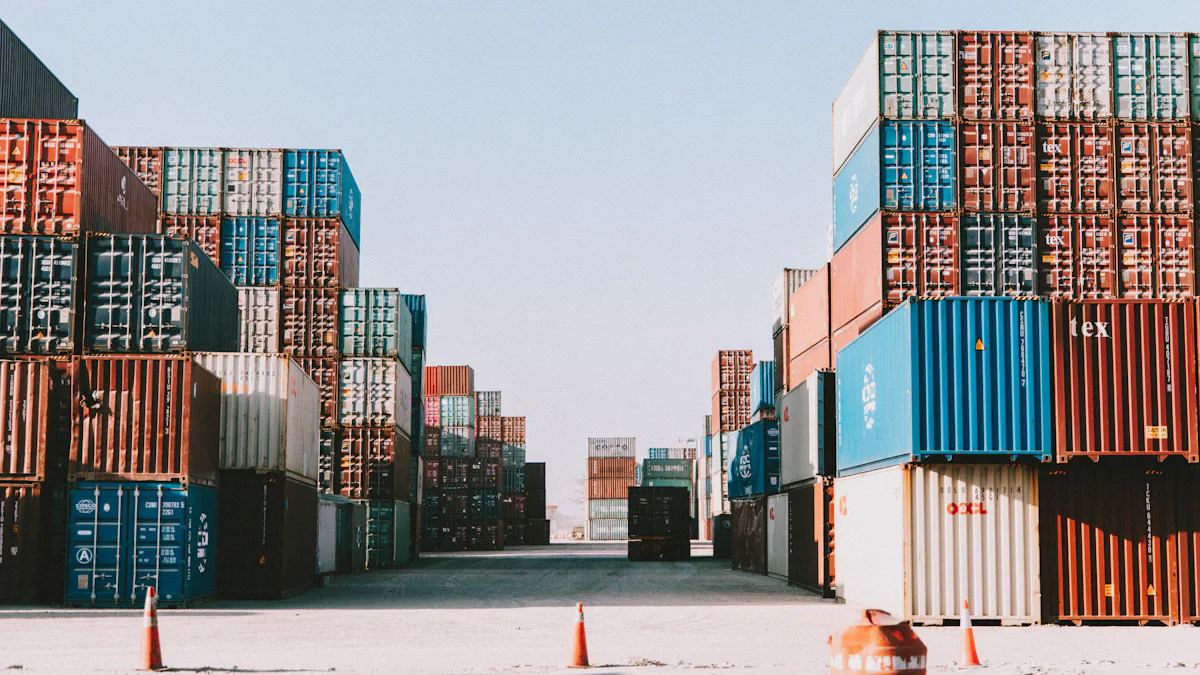
- Cargo is bulky, heavy or low value — furniture, raw materials, packaging, machinery
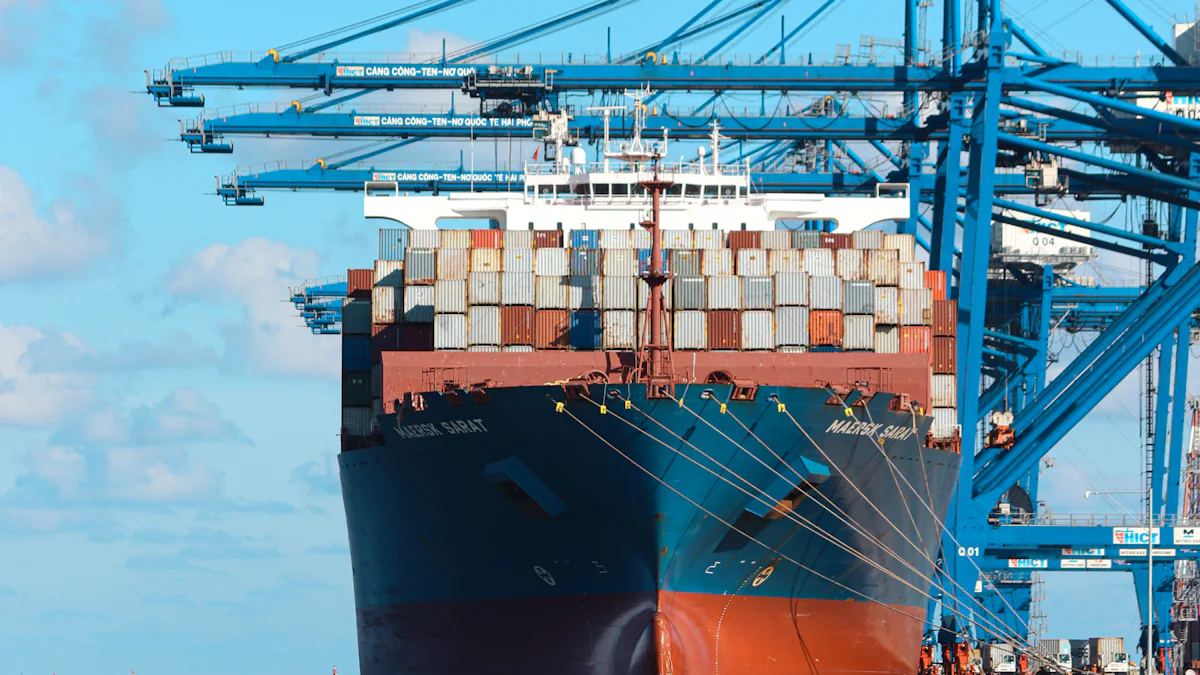
- Your lead times are planned and a five-week transit fits the schedule
- You can fill a container, so FCL economics apply
- The goods are hazardous in a way that restricts air carriage
The middle option people forget
Sea-air combinations route cargo by ocean to a transhipment hub and by air on the final leg, landing between the two on both cost and time. For Asia-to-Europe lanes especially, it is worth pricing.
LCL consolidation lets you move part-container volumes by sea without paying for a full box — though consolidation and deconsolidation add days at both ends, and those days are often underestimated.
How to decide, practically
- Calculate chargeable weight for both modes — not actual weight
- Get quotes that include origin charges, destination charges, customs and last-mile, not just the freight leg
- Add your inventory carrying cost across the transit difference
- Add the cost of the safety stock the longer lead time forces you to hold
- Compare the totals
The mode that wins on step 5 is frequently not the one that won on rate per kg.
If you want both options priced properly for a specific consignment — full landed cost, not just freight — send us the cargo details.