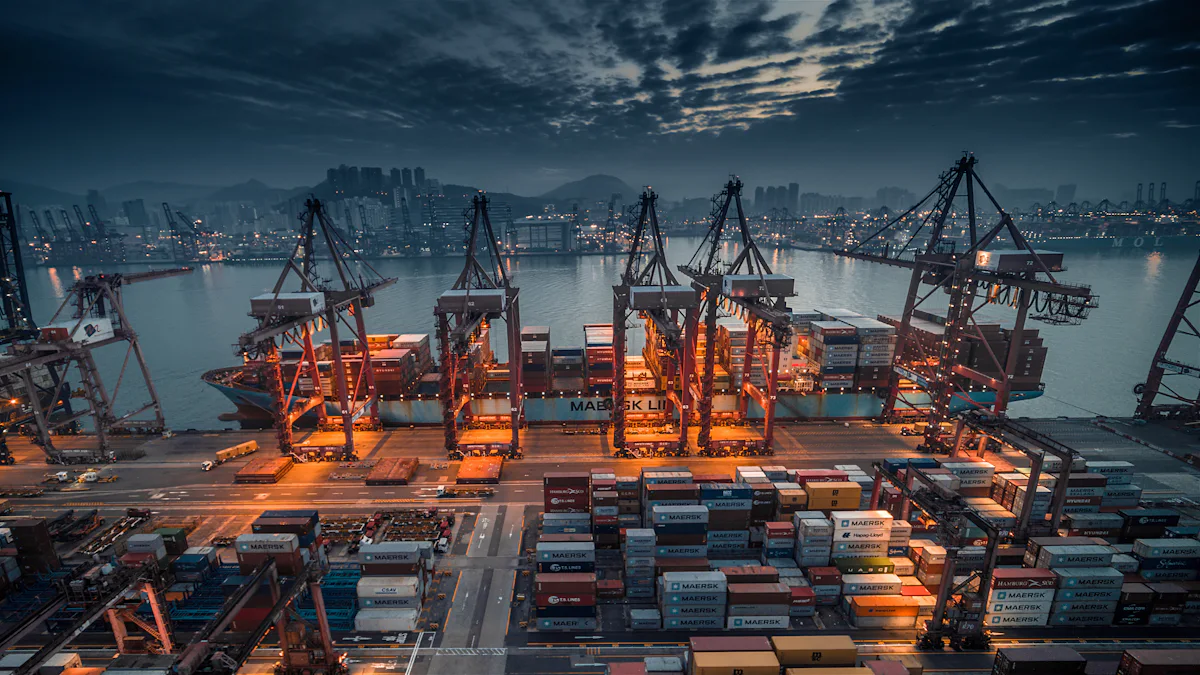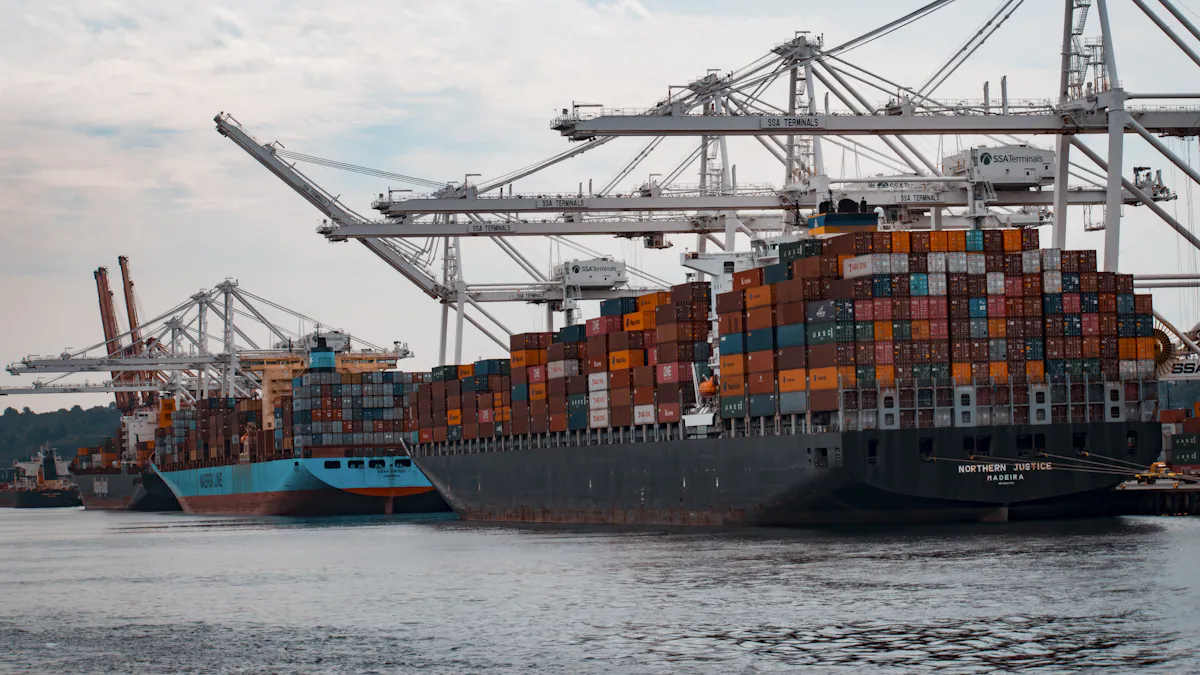
Three letters on your invoice decide who pays the freight, who carries the risk and who is liable if the container is damaged mid-ocean. Most disputes we see trace back to an incoterm nobody read carefully.
An incoterm is a three-letter code that allocates cost, risk and responsibility between buyer and seller. It is not a payment term and it is not a delivery date — it answers three specific questions:
- Who arranges and pays for each leg of transport?
- At what precise point does risk of loss transfer?
- Who handles export and import customs formalities?
Incoterms 2020, published by the International Chamber of Commerce, defines eleven terms. Five of them cover the overwhelming majority of trade.
The five you will actually encounter
EXW — Ex Works
The seller makes goods available at their premises. Everything after that — loading, export clearance, freight, insurance, import clearance, delivery — is yours.
Maximum control, maximum work. EXW is difficult for a first-time importer because you are arranging export clearance in a country where you have no presence. Many exporters cannot legally complete export formalities on an EXW basis either, which creates practical problems at origin.
FOB — Free On Board
The seller delivers goods on board the vessel at the named port of origin and handles export clearance. Risk transfers once the goods are on board.
FOB is the default recommendation for most importers. You control the main carriage, which means you choose the carrier, see the actual freight cost, and are not paying an undisclosed margin on it. It applies only to sea and inland waterway transport.
CIF — Cost, Insurance and Freight
The seller arranges and pays for carriage to the destination port and buys insurance. Risk still transfers when goods are loaded at origin — a distinction that catches people out.
The insurance the seller is obliged to buy under CIF is minimum cover (Institute Cargo Clauses C), which is considerably narrower than most importers assume. If the cargo warrants it, arrange your own all-risk cover.
The other issue with CIF: destination charges are frequently higher than expected, because you did not negotiate them and the seller had no incentive to.
DAP — Delivered at Place
The seller delivers to a named destination, ready for unloading. You handle import clearance and duty.
Convenient, and reasonable for buyers who want the freight handled but retain control of customs.
DDP — Delivered Duty Paid
The seller handles everything including import clearance and duty. Maximum convenience, and the term to be most careful with.
Under DDP the seller must clear goods for import in your country — which requires standing they often do not have. In practice the duty cost is estimated conservatively and built into the price, and you have no visibility into what you actually paid. For Indian imports, DDP also complicates your IGST input credit, because the Bill of Entry may not be in your name.
What changed in 2020
- DAT became DPU (Delivered at Place Unloaded) — the only term where the seller unloads
- FCA gained an option for an on-board bill of lading, resolving a long-standing letter-of-credit problem
- CIP now requires a higher insurance level (Clauses A) while CIF remains at Clauses C
The mistake that causes disputes
Risk transfer and cost transfer are not the same point. Under CIF the seller pays freight to the destination port, but risk passed to you back at origin. If the vessel is lost mid-ocean, the goods were yours when it happened — regardless of who paid for the voyage.
Read the term for both dimensions, every time.
Practical guidance for Indian importers
- Start with FOB. You see the real freight cost and control the carrier.
- Treat DDP with caution. Convenient, opaque, and awkward for input credit.
- Under CIF, buy your own insurance. The mandated cover is thinner than it sounds.
- Always name the exact place. "FOB" alone is incomplete. "FOB Shanghai Port, Incoterms 2020" is a term you can enforce.
- State the version. Incoterms 2010 and 2020 differ; the contract should say which applies.
Unsure which term serves you best on a specific purchase? Send us the supplier's quotation and we will model the landed cost under each option.